En
En  Fr
Fr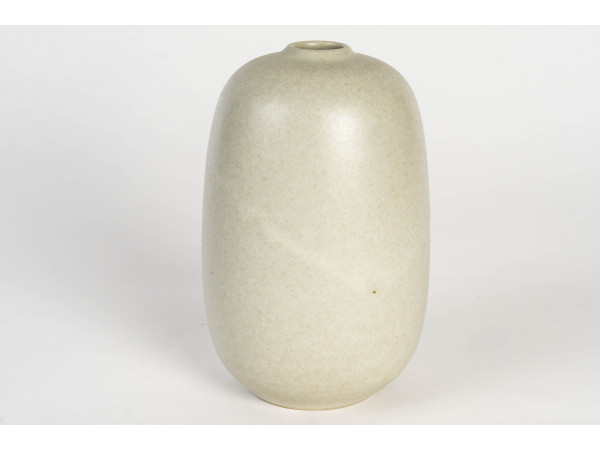


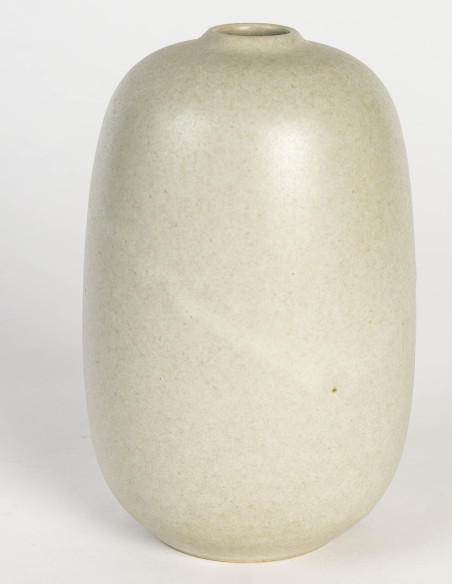
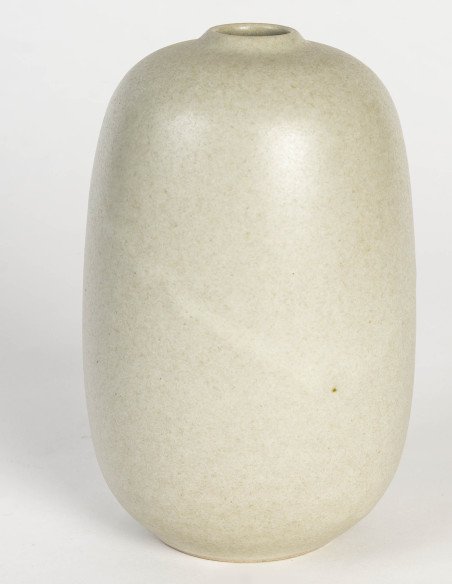
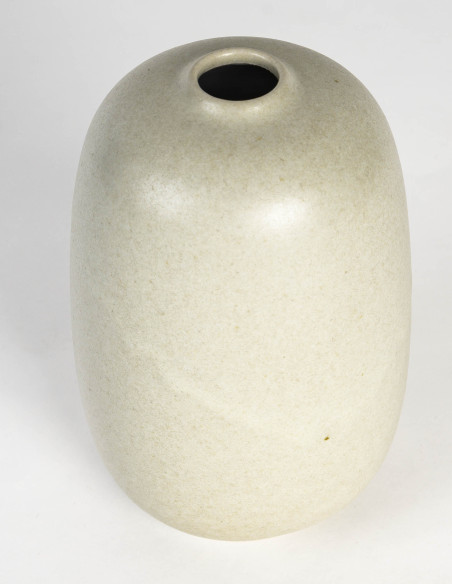
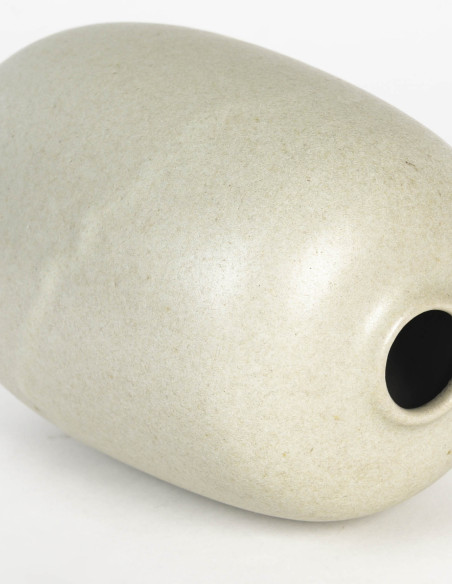
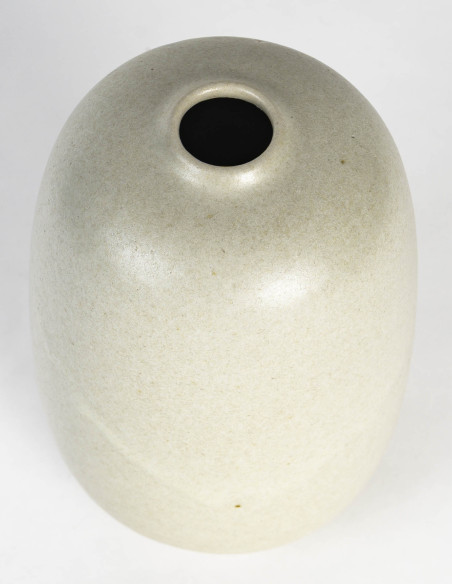
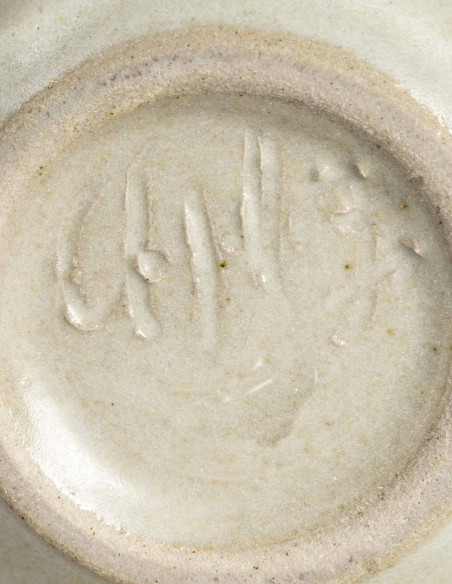
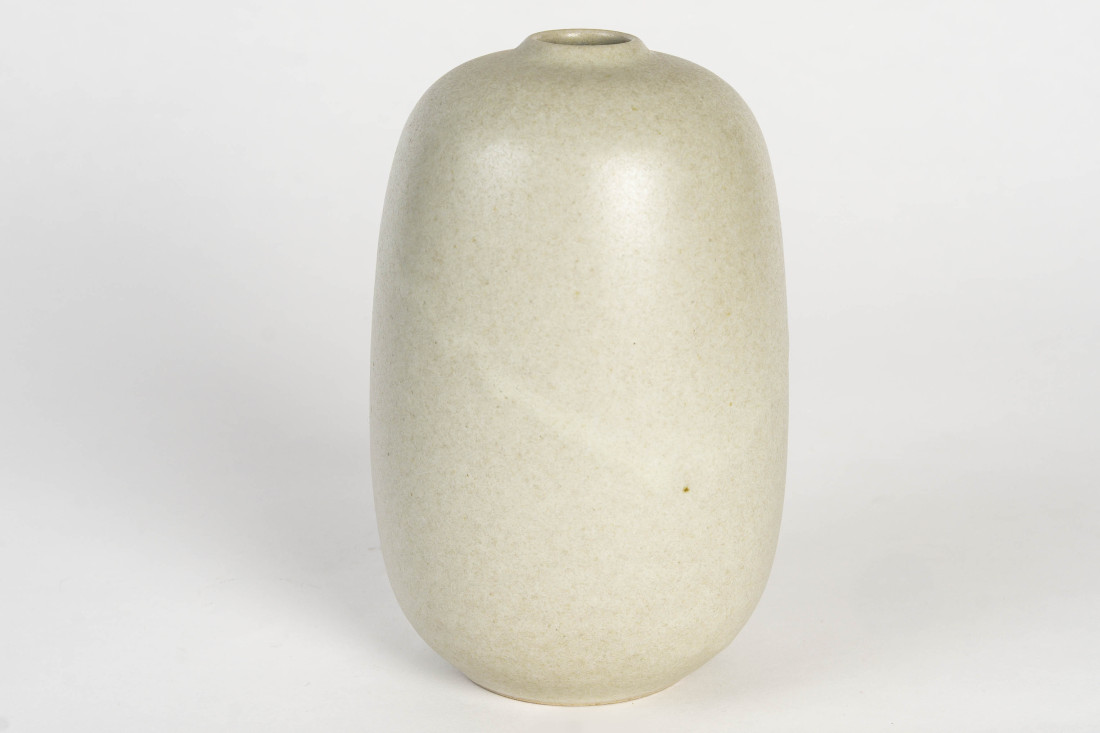
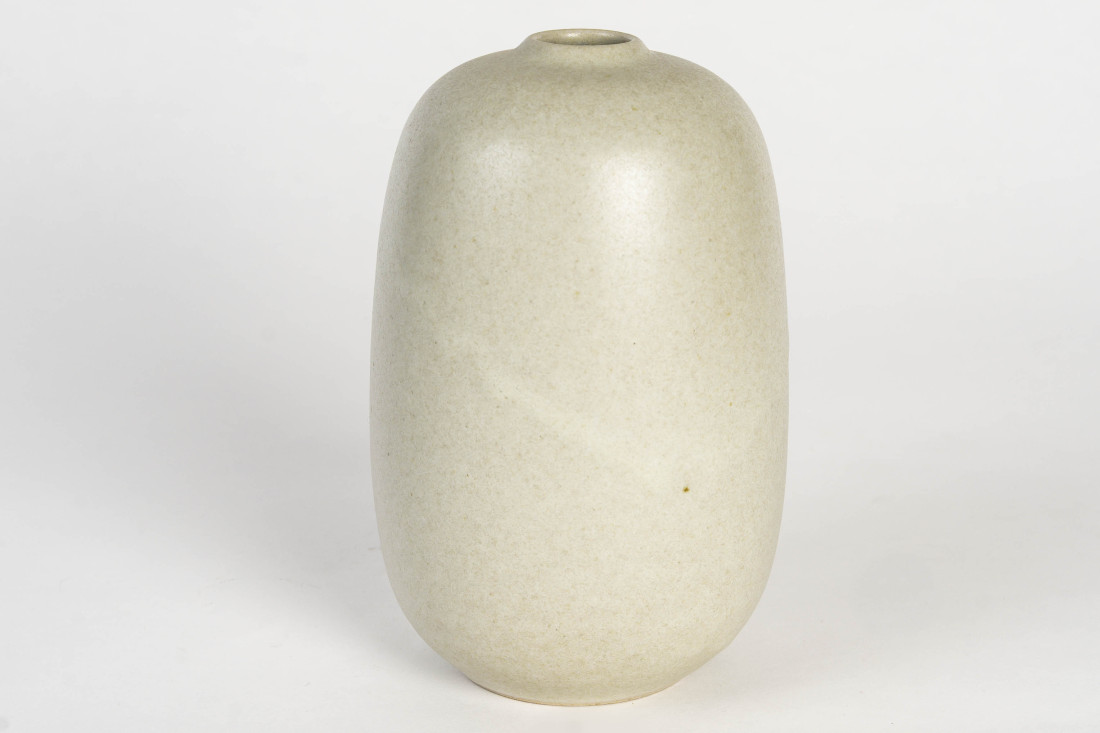
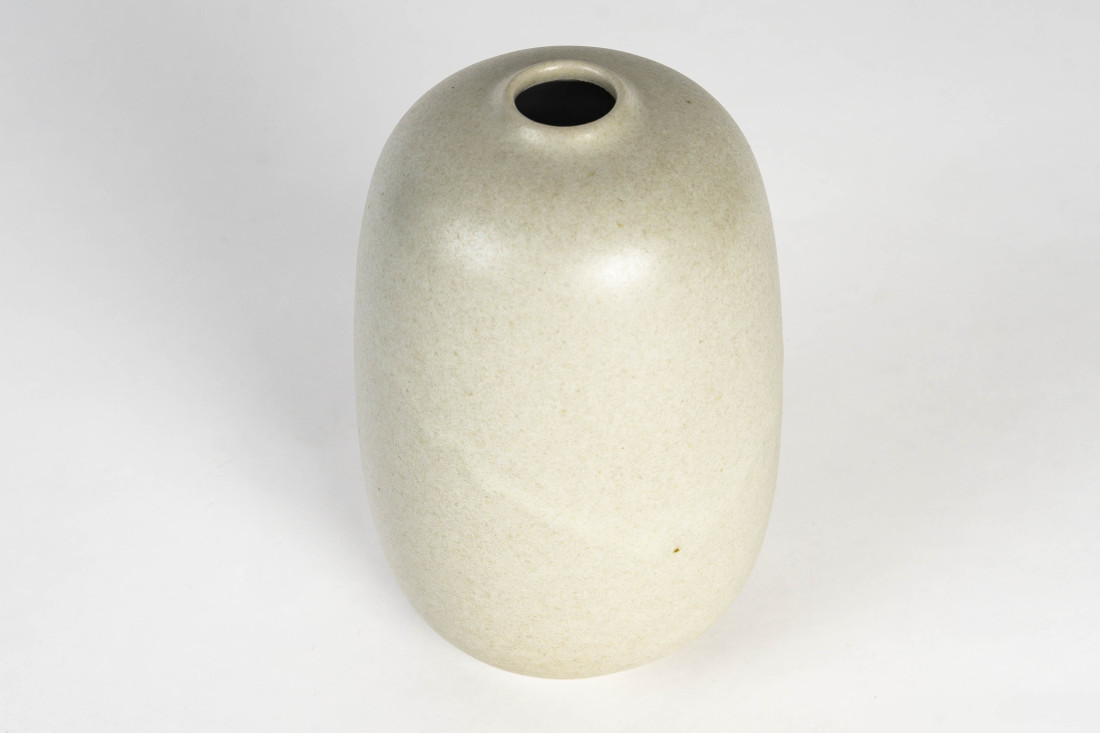
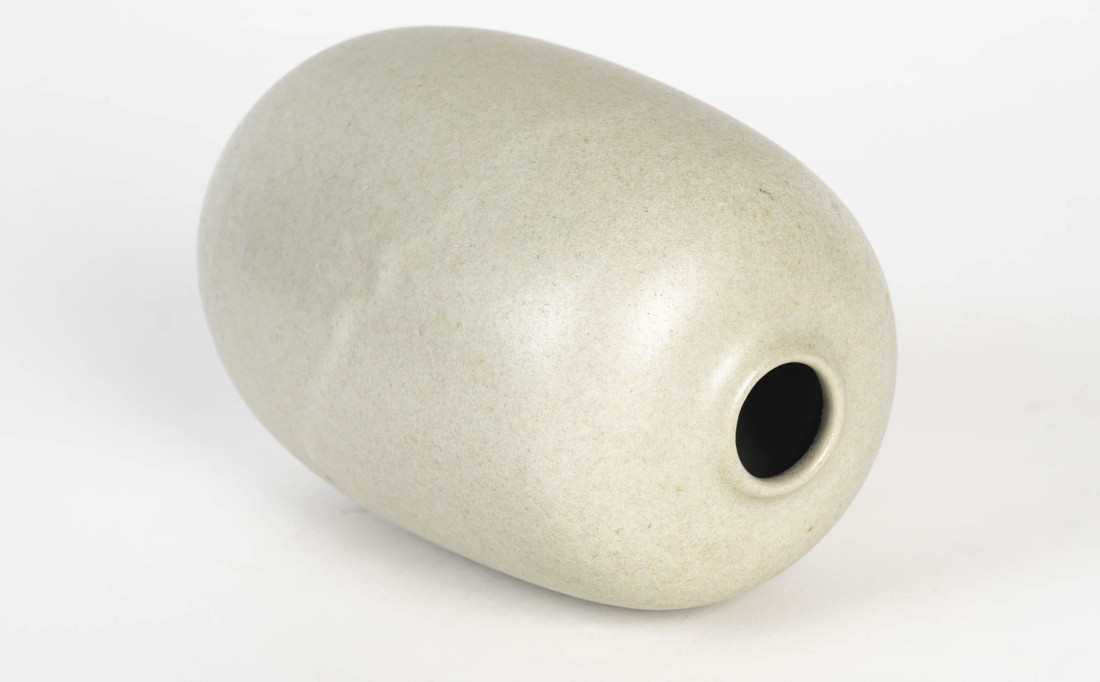
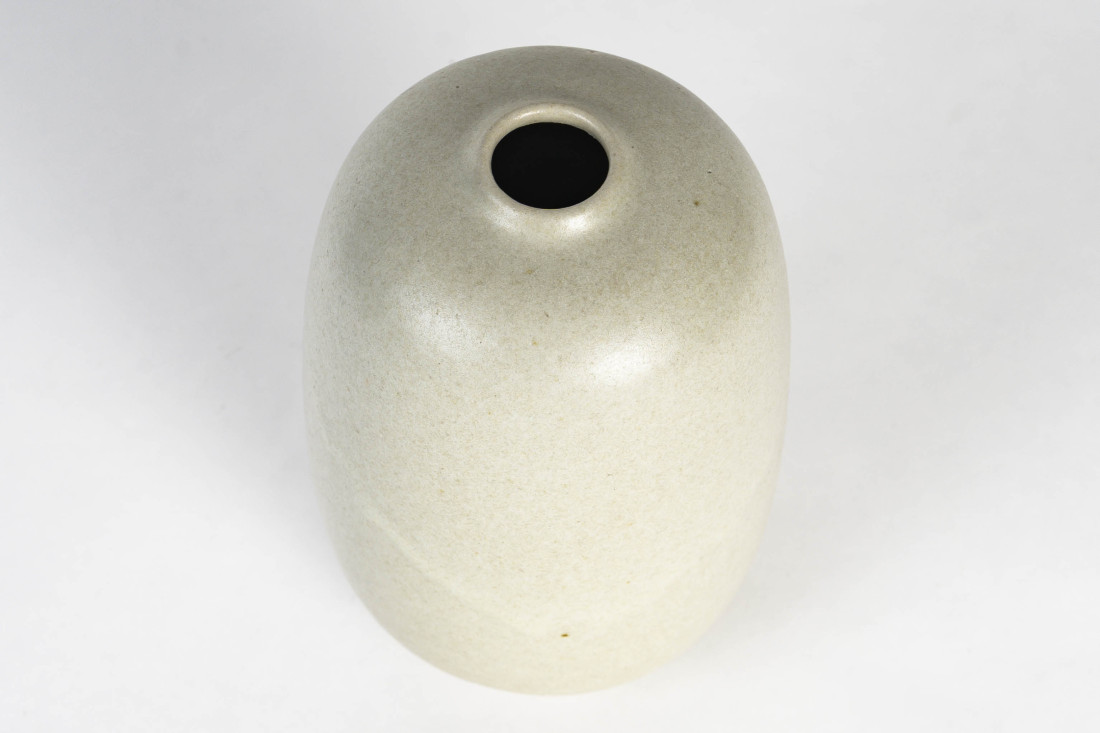
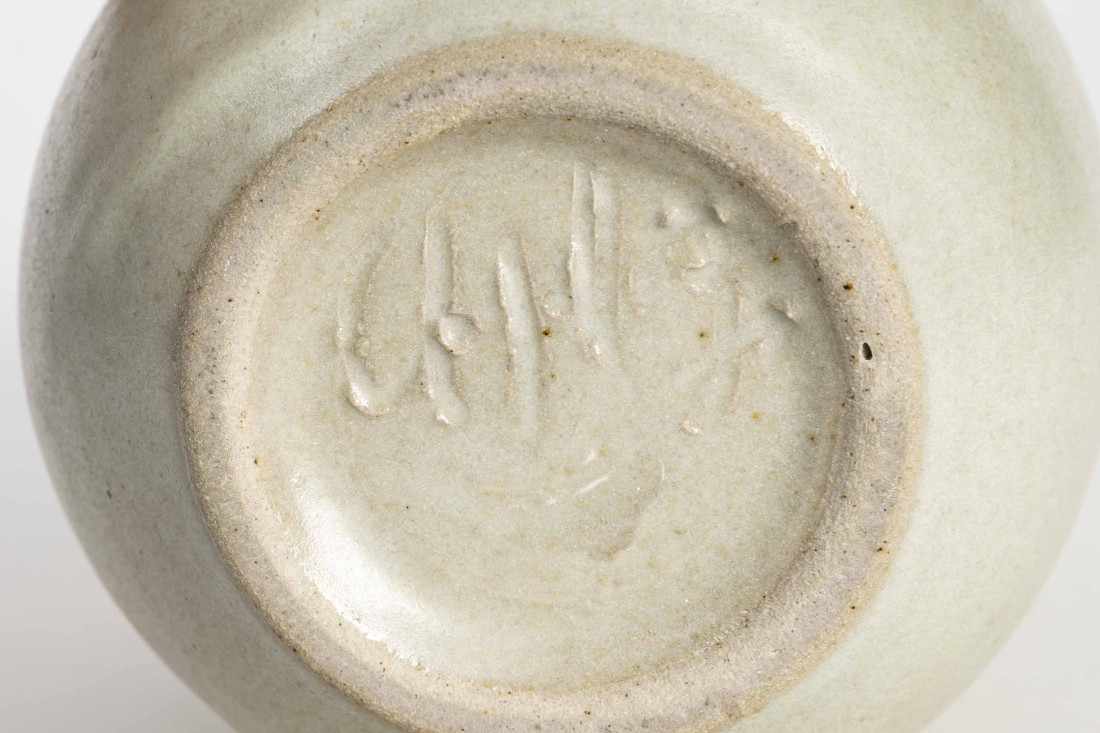
Ovoid vase in white glazed ceramic, signed under the base Chapallaz.
After training as a potter at the Swiss School of Ceramics in Chavannes-Renens (VD, Switzerland) (1926-1939), where he met Philippe Lambercy (1919-2006), Édouard Chapallaz entered the industry as a potter and then operations manager at Tonwerk in Thayngen (Canton of Schaffhausen), at Landert & Co in Embrach (Canton of Zurich), and finally as technical director at the Ceramic SA tile factory in Gland (VD). His industrial experience provided him with a solid technical foundation, both in pottery and firing techniques.
At the end of the Second World War, Chapallaz visited an exhibition of Chinese porcelain at the Cernuschi Museum in Paris, where he saw the famous "oxblood" reds for the first time. This striking encounter was a true aesthetic shock for him; he would remain fascinated by the richness of Chinese enamels throughout his career.
Alongside his work in industry, he pursued research on stoneware and glazes. His initial experiments were fired at low temperatures, but he quickly settled on high-fired stoneware, essential for revealing the depth of the glazes. He built his own electric kilns, experimenting in them, and soon mastered what seemed impossible to any ceramist at first glance: reduction firing in an electric kiln. To achieve this, he introduced hydrocarbons (naphthalene or petroleum) into the kiln once it had reached a certain temperature. After long and painstaking trials, he presented his personal work for the first time at the Entracte exhibition in Lausanne in 1957, without much success. A few years later, Chapallaz's vases would become extremely popular, both in Switzerland and abroad (particularly in Germany).
In 1968, he left both teaching and industry to devote himself to his personal production, which developed along three axes: utilitarian tableware, unique ornamental pieces and architectural ceramics.